

Social media is an incredible tool when done right. But it’s also unpredictable, messy, and, quite frankly, a bit of a nightmare at times. Some brands nail it, others try their best.
Why? Because it isn’t a billboard. It’s not a dumping ground for snippets of TV ads. It’s alive. And brands that treat it like an afterthought are setting themselves up to fail. Here’s why so many struggle – and what to do about it.
1. The Ever-Changing Landscape
Just when you think you’ve cracked it – BAM. A new algorithm. A new platform. A new billionaire buying and breaking an app overnight. Social media is a moving target, and brands that don’t evolve with it get left behind.
The biggest mistake? Assuming there’s a fixed way to do social well. There isn’t. What worked six months ago might be useless now. And don’t even get me started on the platform help teams. I once had a Google rep introduce himself as one name, then reveal 20 minutes in that he was actually someone else. The original person I had been emailing for weeks that he pretended to be? On holiday. Beautiful.
The Fix: Stop chasing ‘best practices’ and start understanding your audience. If you’re posting the kind of content your audience wants to engage with, and keeping up to date with what’s changing on social, you’re already winning.
A brand that does this well: Unsurprisingly – Duo Lingo – their chaotic trend hunting/starting energy works so well for them in so many ways.

2. Connecting with an Audience
TV and Out of Home ads? People expect to be sold to. They’re prepared for it.
Social media? An entirely different game. People aren’t logging on to be hit with “SALE! 50% OFF!” in a large font. They’re there for connection, entertainment, and escapism.
Social media is called social for a reason. It’s a conversation, not a monologue. Brands that understand this? They win. Instead of screaming “Discounted Flights!”, they say, “Anyone else hate the middle seat?” They tap into real, human experiences. They invite responses instead of forcing sales.
And guess what? Engagement builds trust. Trust produces loyalty. Loyalty turns into sales. That’s the pipeline.
The Fix: Meet people where they are, speak their language and communicate with them. It’s not a one and done post, it’s a conversation starter.
A brand that does this well: Gym Shark – have always been community focused. They don’t have to push engagement with their audience, because their content is their audience. They’ve created a UGC content cycle loop that social media managers dream about.

3. Measuring Success
Ah, the question everyone asks: “But how do we know if it’s actually working?”
Social media isn’t a vending machine where you insert content and out pops a sale. It’s part of a much bigger ecosystem, and measuring its exact impact is… tricky.
People don’t just see one post and immediately purchase. They check reviews. They Google you. They get distracted and forget. Then two weeks later, after seeing you again on their feed, they finally buy. So how much credit does social get for that sale? Who knows.
Not to mention, every platform has different analytics, different ways of reporting, and loves to change the rules just when you think you understand them.
The Fix: Stop looking for instant, transactional results and start tracking engagement, brand sentiment, and reach. The real impact of social is long-term – brand awareness, community-building, and trust. And yes, those do turn into revenue. Just not always in a way that fits neatly into an end-of-year report.
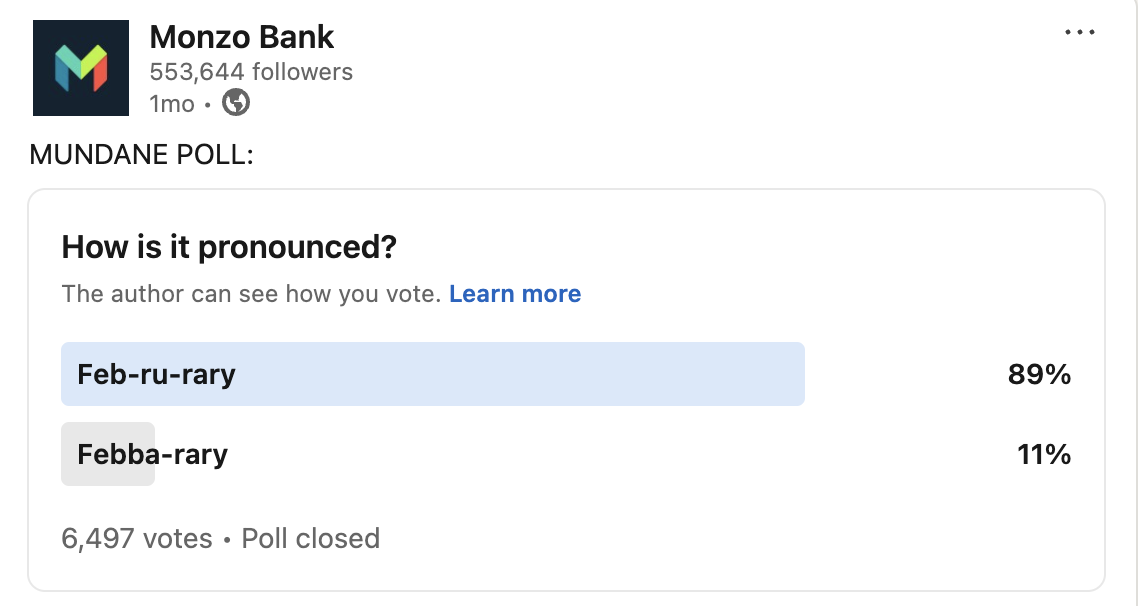
A brand that does this well: Monzo – do not appear to use social for pushing sales or app downloads. They are very good at gaining engagements and therefore – reach. This brand has always been one to watch, but they have really upped the ante recently.
4. Making Multi-Touchpoint Campaigns Work
Adapting campaigns across multiple marketing touchpoints is an art form. It’s really hard work. When you include social in the touchpoint mix… the trickyness goes to the next level.
Each platform has its own culture, its own expectations – as does your audience. Trying to post the same thing everywhere? It’s like trying to do a TED Talk at a nightclub.
The Fix: Tailor, don’t copy-paste. Maintain consistency as a brand, but adjust your execution to fit the platform. If a campaign doesn’t feel native to where it’s being posted, then the recommendation would be it’s just not worth it.
A brand that does this well: McDonalds – they blend traditional and digital strategies. They heavily invest in TV, radio, and OOH to stay top-of-mind, then to create buzz, they uses experiential marketing. On top of that, McDonald’s tailors content for social media and SEO. Not every brand has the budget of McDonalds, but they are good to learn from on how to adapt one campaign to multiple touchpoints.

Ultimately, social media is about knowing your audience.
The brands that truly shine are the ones that listen, evolve, and treat it like a conversation.
 Talor Gilchrist
Leave a comment