
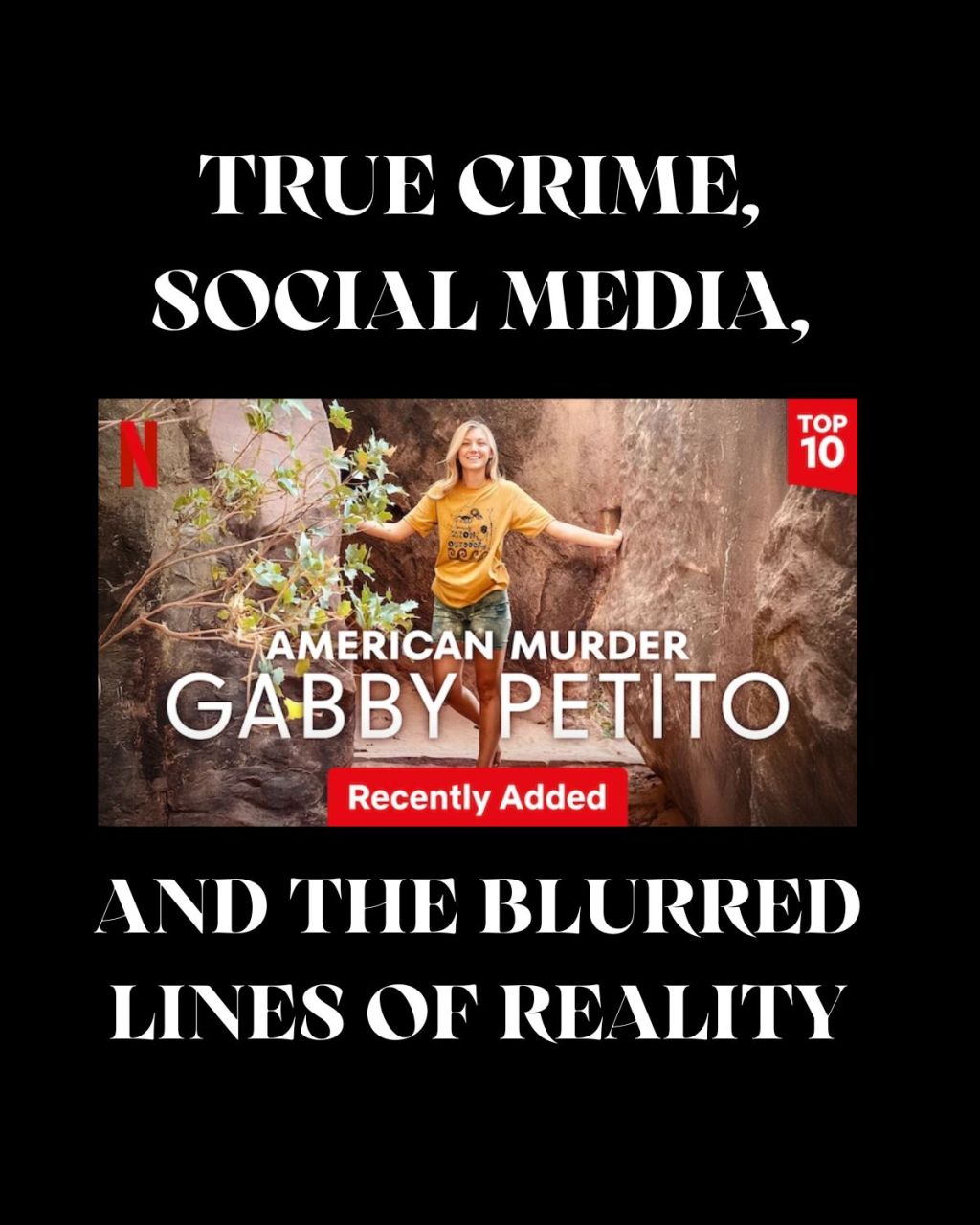
Like so many others, I sat down this week and watched the Gabby Petito: The Murder That Gripped the World documentary. I remember following it all in real time when it happened – glued to every update, holding onto the same desperate hope as the rest of the world that Gabby would be found safe and well.
But we know now that wasn’t the case.
What struck me most about this documentary wasn’t just the retelling of events but how close it all felt. We watch a lot of crime documentaries at home, and they’re always devastating – but there’s usually a layer of detachment. The grainy old footage, the dramatic reconstructions, the cases that feel like they happened in a time far removed from now.
But this? This was different.
Gabby filmed her life. Their life. The road trips, the beautiful scenery, the laughter, the carefully curated snapshots of happiness. Then, in stark contrast, the documentary stitches in the things she filmed and didn’t expect to be viewed publicly – the eye rolls, the reshoots, the uncomfortable moments between the couple that tell a different story.
The parts she never intended for us to see.
Then there’s the use of AI.
The filmmakers used artificial intelligence to recreate Gabby’s voice, narrating parts of the story as if she were speaking to us directly. (With her family’s permission.) Something about it didn’t sit right with me. This idea that we can manipulate someone’s voice – someone who no longer has a say in the matter – it’s unsettling.
If that were me? I wouldn’t want it. I’d love to know what others think about this because, honestly, I can’t shake the feeling that it’s crossing a line.
Then there’s the social media side of this case, which, like everything else, played a massive role. Gabby’s disappearance turned the internet into an investigative machine. A YouTuber even helped authorities locate her van by reviewing old footage from their travels. But with that level of attention comes something darker – misinformation, harassment, and an obsession with true crime that often forgets these stories belong to real people.
Gabby’s friend Rose, for example – who, in my opinion, came across very well in the documentary – is once again being bombarded with nasty comments, accused of using her best friend’s death for clout and money. This isn’t new – she’s been dealing with it since 2021, and now, because of this documentary, it’s all resurfacing.
Then there’s the Laundrie household. Crowds of people turned up outside, driven by social media-fueled outrage. Whether justified or not, the way we consume these stories online is something we really need to talk about.
At the end of the day, this is an important watch.
It’s a case that forces us to reflect – not just on the tragic events themselves but on the way we, as a society, engage with them. Recognising that crimes effect real people and are not just a social trend. How we talk about domestic abuse. How we recognise the signs.
Because the truth is, we all know someone – or have been someone – who’s found themselves under that dark cloud of emotional manipulation, control and maybe even physical abuse.
Hopefully a documentary like this will give someone the clarity, the courage, or the push they need to walk away. Let’s hope so.
 Talor Gilchrist
Leave a comment